
Fame and the Meaning of Success
I'd Like to Apologize to Every Teacher I Ever HadDanza uses his own celebrity and a classroom discussion to question whether fame without effort offers students a meaningful model for success.
increasing Bearing strength in each event
 decreasing
Bearing strength in each eventdecreasingCelebrity in the Classroom

Celebrity in the Classroom
Students test the newcomer
On the first day, students ask whether Danza is wealthy and whether the class is a stunt. He answers honestly but has trouble translating his fame into trust.
A complicated example
His career gives him unusual authority and unusual distance from students’ circumstances. He must show that being recognizable does not make him automatically credible as a teacher.
The Production’s Promise

The Production’s Promise
Hope for influence
Danza believes a show might help viewers understand the realities of urban education and encourage others to teach. He wants the project to produce more than publicity.
Exposure as a risk
Because his students will appear on television, the project also risks turning their private lives into entertainment. Danza’s hope depends on maintaining ethical boundaries.
The Sinatra Lesson

The Sinatra Lesson
Improvisation under pressure
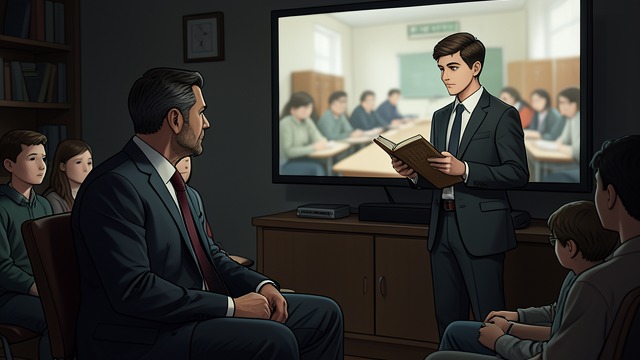
When students fail to submit their presentations, Danza reads a short story sent by his daughter Emily. The story leads the class into a discussion of celebrity and preparation.
Students define fame
Students debate talent, beauty, money, and connections. Danza guides them toward the difference between attention and achievement without pretending that popular culture makes the question simple.
Meaningful Achievement
Meaningful Achievement
A challenge to easy fame
Danza contrasts reality-TV notoriety with recognition earned through work, skill, or contribution. Students consider what they would want to be famous for.
The teacher’s own contradiction
His own television career complicates the argument. He cannot simply condemn celebrity, so he asks students to consider the responsibilities that influence and attention create.
A Public Education Message

A Public Education Message
The show as example
Danza concludes that audiences were not given much time to engage with a serious account of teaching. He sees the show’s cancellation as consistent with a culture that prefers entertainment to difficult investment.
Fame put to use
Rather than treating celebrity as an end, he commits to supporting education in other ways. His final argument is that public concern must become practical support.
The opening weeks of school
Before the network meetings
Spring, during the reporter’s classroom visit
During the same spring discussion
After Teach is canceled
